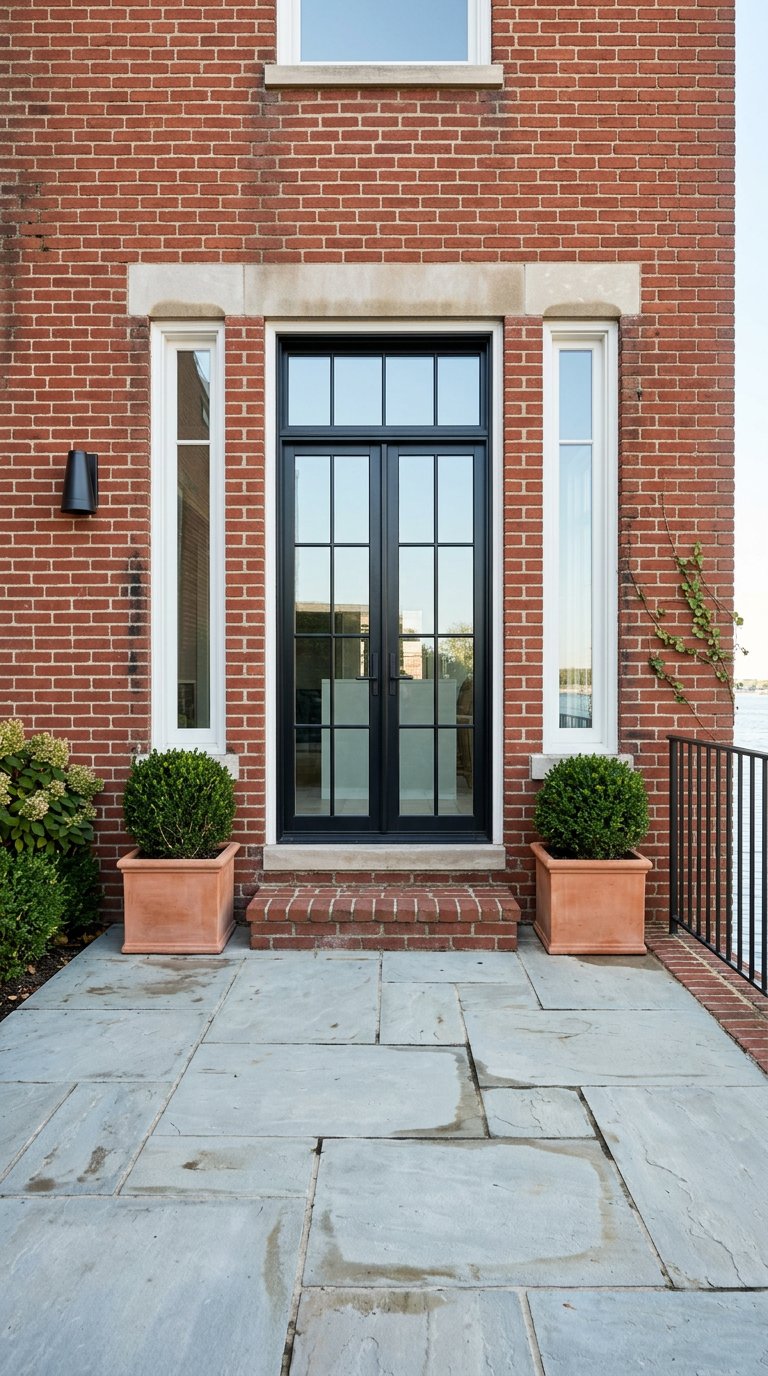
If you picture mornings along a riverside path, afternoons browsing boutiques, and evenings with twinkle lights over the water, Georgetown’s waterfront will feel like your everyday backdrop. You want the character of historic streets with quick access to parks and restaurants, without giving up city convenience. In this guide, you’ll learn what daily life looks like near the water, from outdoor routines and dining to housing choices, transit realities, and practical tradeoffs. Let’s dive in.
Georgetown waterfront vibe
Living near the water in Georgetown means you are steps from public spaces, not tucked behind private docks. The heart of the riverfront is Georgetown Waterfront Park, where you can stroll the promenade, sit by the seasonal fountain, and take in views of Key Bridge and the Kennedy Center. The adjacent Washington Harbour plaza brings energy with restaurants, events, and a winter ice rink. These spaces are open to everyone, so you get scenic access and steady activity throughout the week. You can read more about the park’s layout and features through the National Park Service’s overview of Georgetown Waterfront Park.
Just inland, the C&O Canal begins at Mile Zero. Its towpath is a daily route for walkers, runners, and cyclists, offering a green corridor that stretches 184.5 miles to the west. The urban entrance means you can leave your front door and be on a low-traffic trail within minutes. For background and current notes on access and maintenance, see the Canal Trust’s Georgetown summary.
Outdoor life on the river
- Jog or cycle along the C&O towpath before work, then cut back through tree-lined streets for coffee.
- On weekends, rent kayaks and watch crew shells glide by, or bike the riverside trails for a longer ride.
- In summer, expect movies-in-the-park programming and seasonal events that bring neighbors and visitors together.
If you like car-free fitness routes, the Mount Vernon Trail connects quickly via Key Bridge for miles of river views into Arlington and Alexandria. The National Park Service highlights the connections and scenery along the Mount Vernon Trail.
Walkability, shopping, and dining
M Street and Wisconsin Avenue are your everyday main streets. You can pick up groceries, stop by a bakery, run errands, and meet friends for dinner without getting in a car. Central blocks score extremely high on Walk Score, with many addresses labeled a “Walker’s Paradise.” Check a sample map and scoring for a central location near the canal on Walk Score.
Expect a mix of boutiques, national brands, and local institutions. Outdoor dining expanded in recent years, making the sidewalks more social and pedestrian-focused. The neighborhood BID has supported placemaking and seasonal programming, which helps keep street life active. For a snapshot of public space and event efforts, browse the Georgetown BID’s programs overview.
For classic spots and cultural fixtures, you will find long-running venues and restaurants woven into the local identity. If you are planning a night out or want to get a feel for the broader scene, Washington.org’s neighborhood page highlights things to see and do in Georgetown.
Housing near the water
You will see a few distinct options close to the river, each with a different lifestyle fit:
- Historic rowhouses and townhouses: Brick facades, vertical layouts, and often a small patio or garden. Many homes sit on narrow lots with preserved exteriors. Expect character and location, along with maintenance needs and potential restrictions on visible exterior changes due to historic protections.
- Condos and apartment-style living: From boutique conversions to modern buildings, condos offer lower maintenance and often include amenities like concierge services, gyms, or parking. River views and immediate waterfront access usually command a premium.
- Larger single-family or luxury townhomes: Limited in number near the core, these properties deliver more square footage and higher price points, often trading some walk-to-water immediacy for privacy or space.
Price context: As of late 2025, third-party neighborhood summaries reported median sale prices in the mid-six to low-seven figures for the broader 20007 market, with many Georgetown townhouses selling at multi-million dollar levels. Always verify current pricing, fees, and availability with live MLS data before making decisions.
Getting around without a Metro stop
One defining feature of Georgetown: there is no Metrorail station inside the neighborhood. The closest stations are typically about a mile away, including Foggy Bottom–GWU, Dupont Circle, and Rosslyn across Key Bridge. That usually means a 10 to 25 minute walk, depending on your location and pace. For a concise neighborhood overview, see the Georgetown summary on Wikipedia.
The good news is that bus and bike options are strong. Multiple Metrobus lines and the DC Circulator run along Georgetown’s main corridors, offering direct links to downtown and Union Station. Georgetown University also operates shuttles to nearby Metro stations. If you prefer to pedal, Capital Bikeshare stations and trail connections make cycling a realistic daily option for many routes. Georgetown University outlines common driving alternatives and commute options.
Parking can be tight. Outdoor dining and sidewalk extensions improved the pedestrian experience, while reducing some curb space. Many residents rely on permitted street parking, garages, or paid lots when needed. Local coverage has tracked the street changes over time, including the rollout of expanded sidewalk decks and streateries highlighted by WTOP.
Daily tradeoffs to consider
Every great neighborhood comes with a few tradeoffs. Georgetown near the water is no different. Here are the ones most buyers weigh:
- Activity vs. quiet: Waterfront paths, restaurants, and events bring a steady flow of people. If you love energy and people-watching, you will thrive. If you want complete seclusion, you may prefer a location a few blocks off the main corridors.
- Transit vs. last-mile: Walkable errands are easy, but daily rail commuters need to plan for a walk, bus, bike, or rideshare to the nearest Metro station.
- Historic charm vs. flexibility: Preservation keeps the neighborhood beautiful and cohesive. It can also extend renovation timelines or limit visible changes to exteriors.
- Flood awareness: Low-lying parts of the waterfront and the canal have a history of high-water events. Review FEMA flood maps, local mitigation projects, and your insurance needs. The Chesapeake and Ohio Canal National Historical Park archives provide context on flooding and maintenance history.
What a typical week looks like
- Monday: Early run on the towpath, coffee on M Street, and an easy walk to dinner.
- Wednesday: Errands on Wisconsin Avenue, quick bus ride downtown for a meeting, sunset stroll along the park.
- Saturday: Farmers or flea market browsing, bike ride on the river trail, brunch with a water view.
- Sunday: Kayak on the Potomac, meal-prep at home, and a low-key evening walk past the fountains.
Is waterfront life a fit for you
Use this quick checklist to gauge lifestyle fit:
- You value scenic public spaces more than private waterfront acreage.
- You want a walk-to-everything routine with strong bike and bus options.
- You enjoy having visitors around and do not mind weekend crowds.
- You are comfortable planning a last-mile to Metrorail when needed.
- You appreciate historic architecture and can work within preservation guidelines.
- You will evaluate insurance and elevation details if considering water-adjacent properties.
If most of these feel right, the waterfront pocket of Georgetown will likely match your day-to-day preferences.
Buyer and renter tips
- Budget for HOA or condo fees if you want amenities like a gym, staffed lobby, or garage parking.
- Test your commute at different hours. Walk to a nearby station, ride the Circulator, or try a bike route to see what truly fits.
- Tour at peak and off-peak hours to feel the difference in activity near the park and along M Street.
- If you plan to renovate, confirm historic-district requirements early so your design and timeline stay on track.
- For any price or rent figures you see online, check live MLS or active listing platforms for current data before making offers.
How Emily helps you compare options
Choosing between a towpath-adjacent condo and a rowhouse a few blocks up the hill comes down to lifestyle details. You want clarity on fees, maintenance, and resale potential, plus a feel for street-by-street differences. With design-forward guidance and organized, client-first service, Emily helps you:
- Map the tradeoffs between rowhouses and condos by budget, layout, and upkeep.
- Read building-by-building differences, including amenities, policies, and assessments.
- Craft a touring plan that tests your commute and errand routines in real time.
- Present listings with premium, design-minded marketing when you sell.
Ready to see how Georgetown’s waterfront fits your life? Start a conversation with Emily Sower for a tailored neighborhood guide or a complimentary valuation.
FAQs
Is Georgetown walkable for daily errands
- Yes. Central Georgetown addresses near M Street and Wisconsin Avenue score very high on Walk Score, and most errands, restaurants, and parks are easy to reach on foot. See a sample score near the canal on Walk Score.
How close is the nearest Metro station to the waterfront
- Georgetown has no Metrorail station. Expect roughly a 10 to 25 minute walk to stations like Foggy Bottom–GWU, Dupont Circle, or Rosslyn, or connect by bus, Circulator, bike, or rideshare. Learn more in the Georgetown overview.
What outdoor amenities define waterfront living here
- You get immediate access to Georgetown Waterfront Park for promenades and views, the C&O Canal towpath for running and cycling, and regional trail links like the Mount Vernon Trail for longer rides.
Are there frequent events near the water
- Yes. The waterfront and commercial corridors host seasonal programming and public-space activations supported by the local BID, which help keep sidewalks lively. See examples of initiatives on the BID’s programs page.
How busy does it feel on weekends near M Street
- Expect steady foot traffic and visitors, especially in warm months and during events. Outdoor dining and public plazas add to the energy. Street changes and streateries were covered locally by WTOP.
Should I consider flood risk when buying near the water
- Yes. Review FEMA maps, building elevation, and insurance needs for low-lying areas. The Chesapeake and Ohio Canal park archives provide historical context on flooding and maintenance.