If you want your McLean home to stand out, staging is not just about making it look nice. It is about helping DC and Arlington buyers instantly feel the upgrade. Many move-up buyers are coming from smaller condos, co-ops, or townhomes, so the way you present space, privacy, and flow can shape how they see your home from the first photo to the final showing. In this guide, you’ll learn how to stage a McLean home so buyers can picture a bigger, easier, more flexible lifestyle. Let’s dive in.
Why McLean staging needs a local strategy
McLean is a high-value, mostly owner-occupied market. Census QuickFacts reports an owner-occupied housing rate of 86.1% and a median owner-occupied home value of $1,412,700, while Fairfax County’s 2024 demographics report places the median market value for single-family detached homes in McLean at $1,418,524.
That matters because buyers shopping in McLean are often making a meaningful lifestyle leap. A recent Redfin snapshot also showed a median sale price of $1.947 million and about 19 days on market in May 2026, which tells you buyers move quickly when a home is presented well.
By contrast, Arlington and DC have much smaller, more vertical housing patterns. Arlington’s 2024 major statistics show 72.0% multifamily housing and 37.9% owner occupancy, while DC QuickFacts reports a 41.5% owner-occupied rate. Average household size is also smaller in Arlington and DC than in McLean.
For your staging plan, the takeaway is simple. Your home should make extra square footage, outdoor space, and room-to-room flow feel obvious right away.
Show space as usable living
Move-up buyers do not just want more space on paper. They want to understand how that space improves daily life.
That means every major area of your home should have a clear purpose. Instead of leaving rooms open-ended, stage them so buyers can quickly read how they would live there.
In McLean, that often means showing:
- Comfortable gathering space
- Everyday dining and entertaining space
- Quiet work-from-home space
- Functional guest or flex space
- Outdoor living zones with a real use
When buyers are comparing several homes online before they tour, clarity matters. A room that feels intentional is easier to remember than one that feels empty or confusing.
Stage the rooms buyers notice most
According to NAR’s 2025 Profile of Home Staging, the living room, primary bedroom, and kitchen are the most important rooms to stage for buyers. Sellers’ agents also most often stage the living room, primary bedroom, and dining room.
That lines up well with what many DC-area move-up buyers are looking for in McLean. They want a home that feels comfortable, polished, and ready for both everyday life and hosting.
Living room
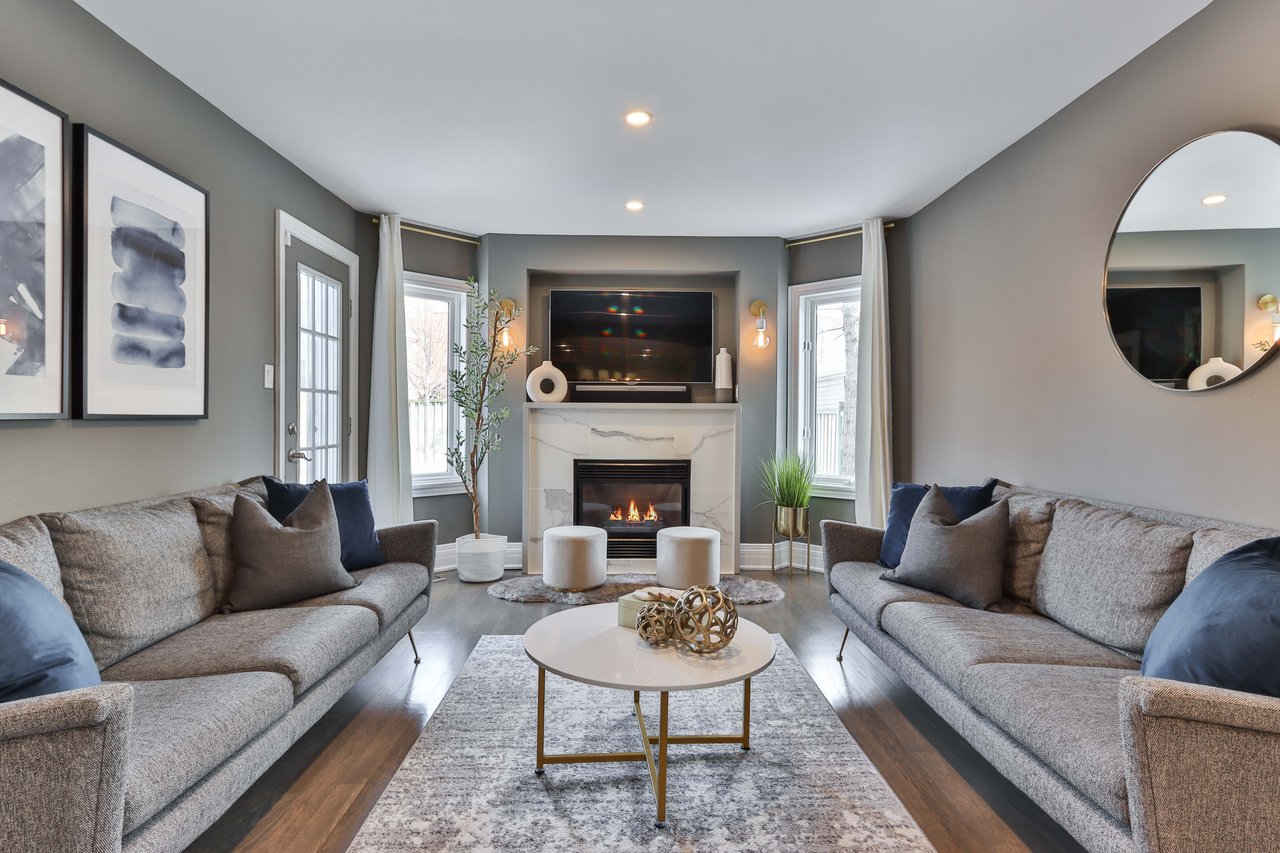
Your living room should help buyers understand scale and comfort. Use furniture that fits the room well so it feels spacious but not sparse.
If possible, create a layout that highlights conversation and connection to nearby spaces. Buyers should be able to imagine a quiet evening at home just as easily as a larger gathering.
Kitchen and dining areas
In many McLean homes, the kitchen is part of the story of how the home lives. Staging should help buyers see the connection between prep space, dining space, and where people gather.
Keep counters clean and styling simple. A few thoughtful touches can add warmth, but the goal is to show function, not fill every surface.
Primary suite
The primary suite should feel calm, uncluttered, and proportional. Since NAR identifies the primary bedroom as one of the most important rooms to stage, it deserves special attention.
Use soft, simple bedding and scaled furniture that lets the room breathe. Buyers should feel a sense of retreat, not visual overload.
Secondary bedrooms
Secondary bedrooms should be easy to understand. If a room is small or awkward, staging can still make it feel useful and appealing.
A clean guest room setup, a simple bedroom layout, or a flexible sleeping-and-study arrangement can help buyers connect the dots. This is especially helpful for out-of-area buyers who may only see the home online first.
Make entertaining flow obvious
One of the biggest advantages McLean can offer a buyer coming from DC or Arlington is room to host with ease. Your staging should make that benefit visible.
Focus on sightlines between the kitchen, dining room, and living areas. Buyers should be able to see how people would move through the home during a dinner party, holiday gathering, or casual weekend visit.
This does not mean every room needs to be packed with furniture. It means each room should feel connected, scaled correctly, and easy to navigate.
A few practical staging choices can help:
- Define seating groups clearly
- Leave natural walking paths open
- Use dining furniture that shows realistic capacity
- Avoid oversized pieces that block flow
- Keep decor restrained so architectural features stand out
Turn outdoor areas into real destinations
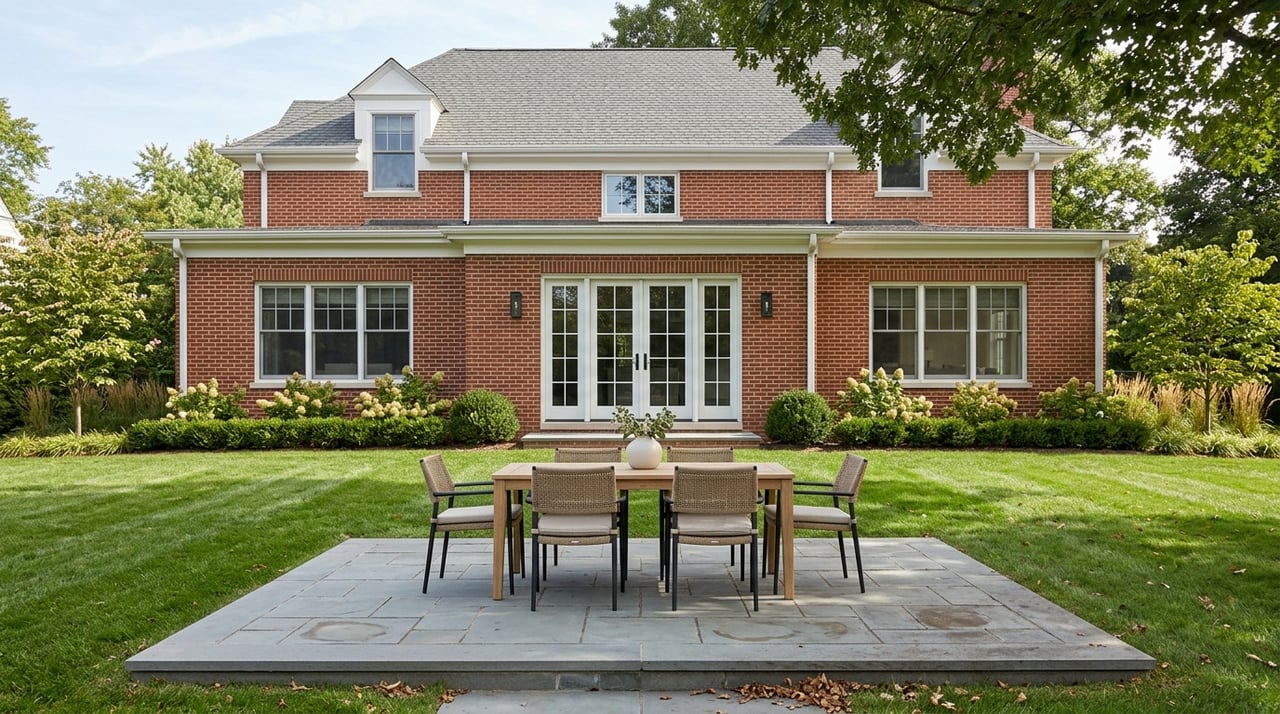
In McLean, the yard should not read as empty land. It should read as additional living space.
NAR’s 2025 staging profile includes yard and outside space on its buyer-importance chart. For move-up buyers, outdoor living can be one of the clearest signs that a McLean home offers a different lifestyle than a city condo or smaller townhouse.
Think in zones. Even a large yard is easier to understand when buyers can see how it might be used.
Outdoor zones to stage
Depending on the property, consider visually defining areas for:
- Seating or conversation
- Dining
- Grilling
- Play
- Gardening
- Fire-pit gathering
The goal is not to overfill the yard. The goal is to make it feel welcoming, functional, and easy to enjoy.
Give flex spaces a job
A bonus room without a clear purpose can become a missed opportunity. For buyers coming from smaller homes, flexible square footage can be a major draw, but only if they understand it.
If you have a library, office, bonus room, loft, or main-level bedroom, stage it with intention. A bright office setup, reading room, or guest-ready flex room helps buyers see value faster.
This matters even more online. Buyers’ agents place strong value on photos, videos, and virtual tours, so a purposeful room will typically perform better than an undefined one.
Stage for photos, not just showings
The first showing often happens online. NAR found that buyers’ agents rated photos as more important than staging itself, with 73% citing photos as much more or more important, compared with 57% for traditional physical staging.
That does not mean staging matters less. It means staging and photography need to work together.
If you want your home to attract DC move-up buyers, the listing media should tell a clear lifestyle story from the start. Buyers should be able to see spacious interiors, natural light, entertaining flow, and outdoor usability in a way that feels accurate and polished.
What strong listing photos should do
Based on the research, your photo plan should:
- Show the yard as usable space
- Capture connection between main living areas
- Present office or flex rooms clearly
- Show bedrooms with realistic scale
- Use natural light when possible
- Avoid distortion or misleading angles
Zillow recommends practical photography basics like shooting from a corner or doorway, keeping vertical lines straight, using a tripod, and making use of natural light. NAR also advises using restraint with extreme wide angles so rooms do not look unrealistically large.
Realtor.com’s photography guide suggests roughly 20 photos for a standard home, including exterior, backyard, living spaces, kitchen, and bedrooms. For many McLean listings, exterior timing matters too, especially if mature landscaping, a deck, a pool, or landscape lighting is part of the appeal.
Plan the launch in the right order
A polished listing launch usually starts earlier than sellers expect. If you wait until the week of listing to think about staging, photos, and prep, the process can feel rushed.
NAR found that 60% of buyers’ agents said staging affects most buyers most of the time. The same report noted that 30% of sellers’ agents saw slight decreases in time on market when a home was staged, and the median spend when using a staging service was $1,500.
For a McLean seller, that supports the case for early coordination. The goal is a thoughtful launch, not just getting a home online quickly.
A smart staging timeline
In most cases, the sequence should look like this:
- Declutter and complete small repairs
- Finalize the staging plan
- Stage the home fully
- Photograph and film only after the home is photo-ready
- Launch the listing with all assets coordinated
Realtor.com’s guide also recommends building photo day backward. That includes choosing timing based on orientation and weather, sharing a prep checklist with the seller, confirming readiness the day before, and keeping the home clear while photography is underway.
That level of organization matters because buyers often decide whether to tour a home based on what they see online first. NAR reported that 31% of buyers’ agents said buyers were more willing to walk through a home they saw online when it was staged.
Why this matters for DC move-up buyers
When a DC or Arlington buyer shops in McLean, they are often evaluating more than bedrooms and baths. They are asking whether the move will improve the way they live.
Good staging helps answer that question quickly. It shows where you can host friends, where you can work quietly, where you can spread out, and how outdoor space becomes part of daily life.
That is why the best McLean staging is not generic. It is targeted, intentional, and designed to help the right buyer feel at home before they even walk in the door.
If you’re thinking about selling in McLean, thoughtful staging and launch strategy can make your home’s value easier for buyers to see. For a design-forward, organized approach to pricing, presentation, and listing preparation, connect with Emily Sower.
FAQs
How should you stage a McLean home for DC buyers?
- Focus on showing the lifestyle upgrade, especially larger living areas, clear entertaining flow, useful flex rooms, and outdoor space that feels like an extension of the home.
Which rooms matter most when staging a McLean listing?
- Based on NAR’s 2025 Profile of Home Staging, the living room, primary bedroom, and kitchen are among the most important spaces to stage for buyers.
Why is outdoor staging important for McLean homes?
- Many move-up buyers are coming from smaller or more vertical homes in DC and Arlington, so a staged yard, patio, or deck helps them picture everyday use and added lifestyle value.
Should you stage a home before listing photos in McLean?
- Yes. Research shows buyers’ agents place strong value on listing photos, and staging helps buyers visualize the home before they decide to visit in person.
How much does home staging typically cost?
- NAR’s 2025 report found a median spend of $1,500 when using a staging service, though actual cost depends on the home, scope, and level of preparation needed.
How fast do well-presented homes move in McLean?
- A recent Redfin snapshot reported about 19 days on market in May 2026, which suggests buyers can act quickly when a McLean home is priced and presented well.