If your Chevy Chase colonial still has beautiful bones but feels a little too traditional for today’s market, you are not alone. Many sellers want to honor a home’s character while making it feel fresh, easy, and relevant to modern buyers. The good news is you do not need to strip out the charm to make a strong impression. With the right updates, staging choices, and launch plan, you can present your home in a way that feels timeless and current. Let’s dive in.
Why presentation matters in Chevy Chase
Chevy Chase has long been recognized by Montgomery Planning as a landmark suburban community with a strong architectural identity. That matters because buyers often notice the historic character first, then evaluate whether the home supports the way they want to live today.
That balance is especially important in a competitive market. Redfin’s April 2026 Chevy Chase data shows a median sale price of $1,314,321 and 429 homes for sale, while Montgomery County’s March 2026 market update shows homes selling at 95.4% of original list price, with 1.9 months of supply and 51 days on market. In a market like this, thoughtful presentation can help your home stand out.
Start with the colonial’s strengths
A Chevy Chase colonial usually already offers what buyers hope to see: symmetry, defined rooms, traditional detail, and a strong sense of curb appeal. Your goal is not to make it look like a brand-new build. Your goal is to help buyers see a well-kept home that feels relevant to their life now.
That means leaning into original architecture where it adds value. Trim, built-ins, fireplace surrounds, stair details, and formal entry moments can all help create a polished first impression when they are clean, repaired, and visually consistent.
Focus on clarity, not reinvention
The best pre-listing updates are often the simplest ones. Based on Montgomery County preservation guidance, ordinary maintenance like painting non-masonry surfaces, repairing trim, maintaining roofs and gutters, and updating lights is generally allowed without Historic Preservation Commission involvement.
That gives you room to improve the home’s presentation without taking on a full exterior redesign. For many sellers, the smartest path is to refresh what exists, fix what looks tired, and avoid changes that complicate the architecture.
Prioritize high-impact updates
Before listing, focus on updates that make the house feel brighter, cleaner, and better cared for. These are often the changes buyers notice right away, both in person and in photos.
Consider prioritizing:
- Painting non-masonry surfaces where finishes look worn
- Repairing cracked plaster or damaged trim
- Refinishing floors if they are dull or heavily scratched
- Replacing dated light fixtures with simple, classic options
- Removing heavy or aging window treatments that block light
- Improving basic maintenance items like gutters, roof details, and exterior lighting
These updates support the home’s architecture instead of competing with it. They also help buyers focus on space, proportion, and natural light rather than deferred maintenance.
Know the rules before exterior changes
If your property is in a designated historic district, exterior work may require a Historic Area Work Permit through Montgomery County. Chevy Chase Village may also review certain proposed changes before the county application is filed.
This is where planning matters. According to Montgomery County, items like additions, porch enclosures, siding changes, window-sash replacement, shutter removal, and painting or removing paint from masonry can trigger review. If you are thinking about exterior updates before listing, it helps to sequence that work carefully so your preparation stays compliant and on schedule.
Paint choices can stay market-friendly
One helpful detail from the county is that color selection itself is not controlled. If your work is limited to allowed exterior features and does not involve regulated masonry changes, you can usually choose paint colors that feel more current without creating an extra preservation hurdle.
That opens the door to a subtle, buyer-friendly refresh. For a colonial, that often means keeping the palette classic and restrained rather than trying to force a trend.
Use color to modernize thoughtfully
Today’s buyers are not always looking for a flat, all-white interior. Zillow’s 2025 paint analysis found that certain deeper, more tailored colors were associated with stronger sale outcomes, including olive green kitchens, navy blue bedrooms, and dark gray living rooms.
Zillow’s 2026 trend report also noted a 149% year-over-year jump in color drenching mentions, along with growing interest in artisan, vintage, and whimsical details. For a Chevy Chase colonial, that does not mean every room should be dark or dramatic. It means a home can feel more layered and memorable when color is used with intention.
Best color approach for a colonial
A strong strategy is to keep the main palette soft and warm, then introduce richer accents in rooms that naturally support more mood. Warm white, soft stone, and light greige often work well in central living spaces because they brighten the house without making it feel cold.
Then, if the home has a dining room, library, office, or primary bedroom, you might consider a deeper accent color to add personality. This approach helps the house feel rooted in its architecture while still reading as current.
Stage the rooms buyers care about most
Staging can make a major difference in how buyers connect with a home. In the National Association of Realtors 2025 Profile of Home Staging, 83% of buyers’ agents said staging makes it easier for buyers to visualize a property as their future home.
The same report found that the living room, primary bedroom, and kitchen were the most important rooms to stage. For a colonial, that is a helpful guide because these homes often have strong traditional layouts, and the right staging helps buyers understand both function and flow.
Make the foyer and living spaces feel easy
Start with the first impression. A colonial entry should feel open, calm, and welcoming, not crowded by too much furniture or décor.
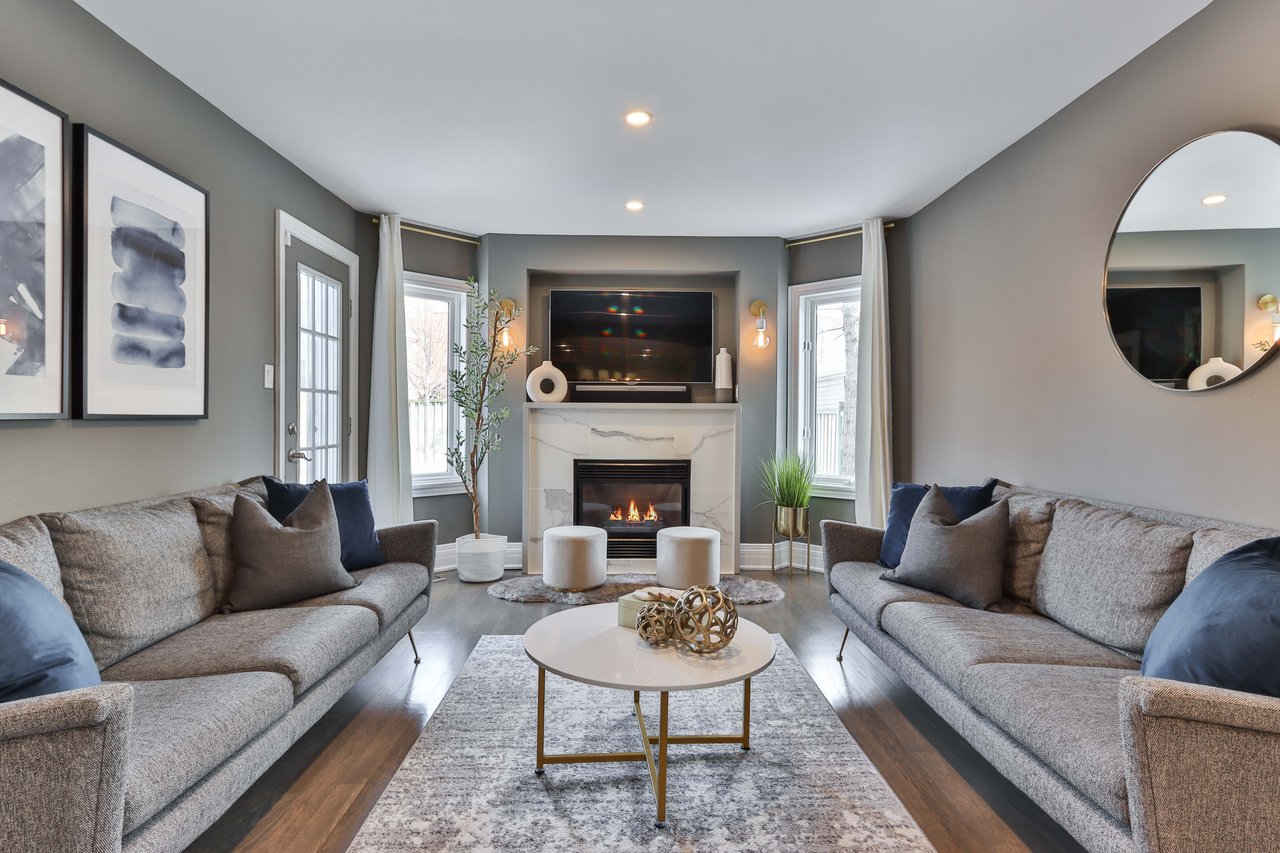
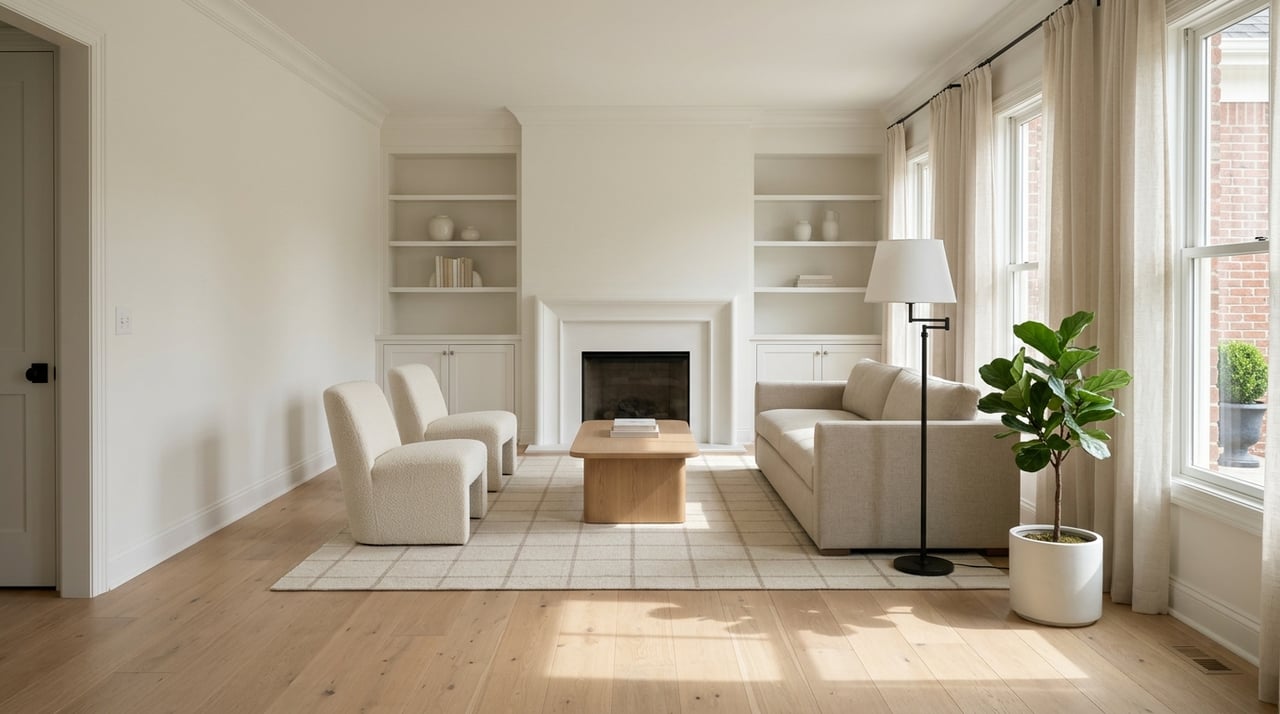
In the living room, aim for conversational seating that shows scale and movement. Buyers should be able to understand how they would gather, relax, or entertain there within a few seconds of walking in.
Give the dining room a purpose
Formal dining rooms are common in colonials, but they can feel underused if they are empty or overly decorated. A simple, tailored setup helps buyers see the room as useful and elegant.
Keep the table appropriately sized, leave space to move around it, and use lighting that complements the architecture. The goal is to make the room feel ready for everyday dinners or special occasions without making it feel stiff.
Keep the kitchen clear and current
You do not need a full renovation to make a kitchen show better. Clear counters, fresh paint, updated lighting, and edited accessories can go a long way.
Buyers tend to respond well to kitchens that feel functional, bright, and easy to maintain. If your kitchen has older finishes, presentation becomes even more important because it helps the space feel intentional rather than dated.
Create a calm primary suite
The primary bedroom should feel restful and spacious. That usually means scaled-back furniture, neutral bedding, and fewer personal items.
Even in an older home with modest room dimensions, a calm layout can make the room feel more usable. Buyers want to imagine a retreat, not a room they need to immediately rework.
Show flexible space for modern life
One of the biggest opportunities in a colonial is often a smaller extra room. Zillow’s 2025 buyer survey found that 51% of buyers rated an extra room for a home office as very or extremely important.
That makes flexible staging especially valuable in Chevy Chase. If you have a front parlor, den, small bedroom, or finished nook, show it with a clear purpose. A desk, chair, lamp, and simple art can help buyers immediately understand the space as an office, study, or quiet work zone.
Do not forget outdoor living
Outdoor presentation supports the full lifestyle story of the home. Zillow’s 2025 Zeitgeist report found growing interest in indoor-outdoor living, patios, balconies, and classic styles connected to local charm and historic architecture.
For a Chevy Chase colonial, that means your front walk, porch, terrace, backyard, and any screened or three-season area deserve attention. Sweep paths, refresh planters, add simple seating where appropriate, and make sure these areas feel usable rather than incidental.
When professional staging makes sense
Not every home needs full-service staging, but some clearly benefit from it. If your house has strong architecture but awkward furniture placement, older furnishings, or highly personal décor, a professional stager can help create a cleaner and more broadly appealing look.
According to NAR’s 2025 report, the median spend on a staging service was $1,500. That can be a worthwhile investment when your home will compete against other polished listings and rely heavily on photography, video, and in-person showings.
Why local listing guidance matters
Selling a colonial in Chevy Chase is not just about making it look pretty. You also need to think about historic context, county rules, current inventory, and what buyers in this market are actually responding to.
A local listing agent can help you decide which updates are worth doing, which ones are unnecessary, and how to time the work before launch. That is especially valuable when you want the home to feel beautifully presented without over-improving or creating avoidable delays.
The best result is balanced
The most successful Chevy Chase colonials usually strike a clear balance. They feel well-preserved but not frozen in time, updated but not over-processed, and elegant without feeling untouchable.
If you focus on maintenance, thoughtful color, strategic staging, and a compliant prep plan, you can help today’s buyer see both the home’s history and its everyday livability. That is what turns character into value.
If you are getting ready to sell and want a smart, design-minded plan for your home, Emily Sower can help you prioritize updates, coordinate presentation, and bring your Chevy Chase listing to market with care.
FAQs
How should you update a Chevy Chase colonial before listing?
- Focus on light, high-impact improvements like paint on non-masonry surfaces, trim and plaster repair, floor refinishing, lighting updates, and simplified window treatments.
Do Chevy Chase sellers need approval for exterior work on a colonial?
- If the home is in a designated historic district, certain exterior changes may require a Historic Area Work Permit through Montgomery County, and Chevy Chase Village may also review proposed changes before county filing.
What paint colors work best for a Chevy Chase colonial?
- A warm, restrained base palette such as warm white, soft stone, or light greige often works well, with deeper accent colors used selectively in rooms like a dining room, office, or primary bedroom.
Which rooms matter most when staging a colonial in Chevy Chase?
- The living room, primary bedroom, and kitchen are especially important, and a clear foyer and purposeful dining room can also help buyers understand the home’s flow.
Should you stage a bonus room as a home office in a Chevy Chase colonial?
- Yes, if you have a den, small bedroom, or parlor, showing it as a functional office can help buyers connect with the space more quickly.
Is professional staging worth it for a Chevy Chase colonial home sale?
- It can be, especially if the home has strong character but outdated furniture, very personal décor, or a layout that needs help reading clearly in photos and showings.