Wondering why Cleveland Park feels so different from many other D.C. neighborhoods? It is not just the historic homes or the leafy streets, though both stand out right away. It is the way architecture, daily convenience, and green space come together in one compact pocket of the city. If you are curious about what makes this neighborhood so appealing, this guide will walk you through the housing, layout, and lifestyle that give Cleveland Park its lasting village feel. Let’s dive in.
Why Cleveland Park Stands Out
Cleveland Park is widely recognized as one of Upper Northwest D.C.’s clearest examples of a historic, tree-filled neighborhood with both residential character and neighborhood retail. The historic district is centered between Wisconsin Avenue, Connecticut Avenue, Klingle Valley, and Tilden Street. That setting helps create a neighborhood that feels connected to the city while still holding onto a quieter identity.
Its roots also matter. Cleveland Park developed as an early streetcar suburb, not a later car-oriented subdivision. You can still feel that history today in the way homes, shops, and community amenities sit close together in a pattern that supports everyday life.
Historic Homes Define the Character
One of the most appealing things about Cleveland Park is that its historic identity is broad rather than one-note. The neighborhood includes single-family homes, duplexes, apartment buildings, and estate-scale properties within the historic fabric. That mix gives the area visual variety while still feeling cohesive.
The architecture reflects styles that were popular from about 1890 to 1930. Instead of repeating one housing type block after block, Cleveland Park offers individually designed buildings and a layered streetscape. For you as a buyer or seller, that can make the neighborhood feel more collected over time than planned all at once.
A Mix of Home Types
Cleveland Park is not just a detached-home neighborhood, and it is not just an apartment neighborhood either. Side streets tend to feel more residential, while Connecticut Avenue includes more apartment buildings and mixed-use structures. That balance is a big part of the neighborhood’s appeal.
If you are searching for architectural character, this range matters. It means buyers can find different ways to live in the neighborhood while still enjoying the same overall setting and access to amenities.
Details That Create Warmth
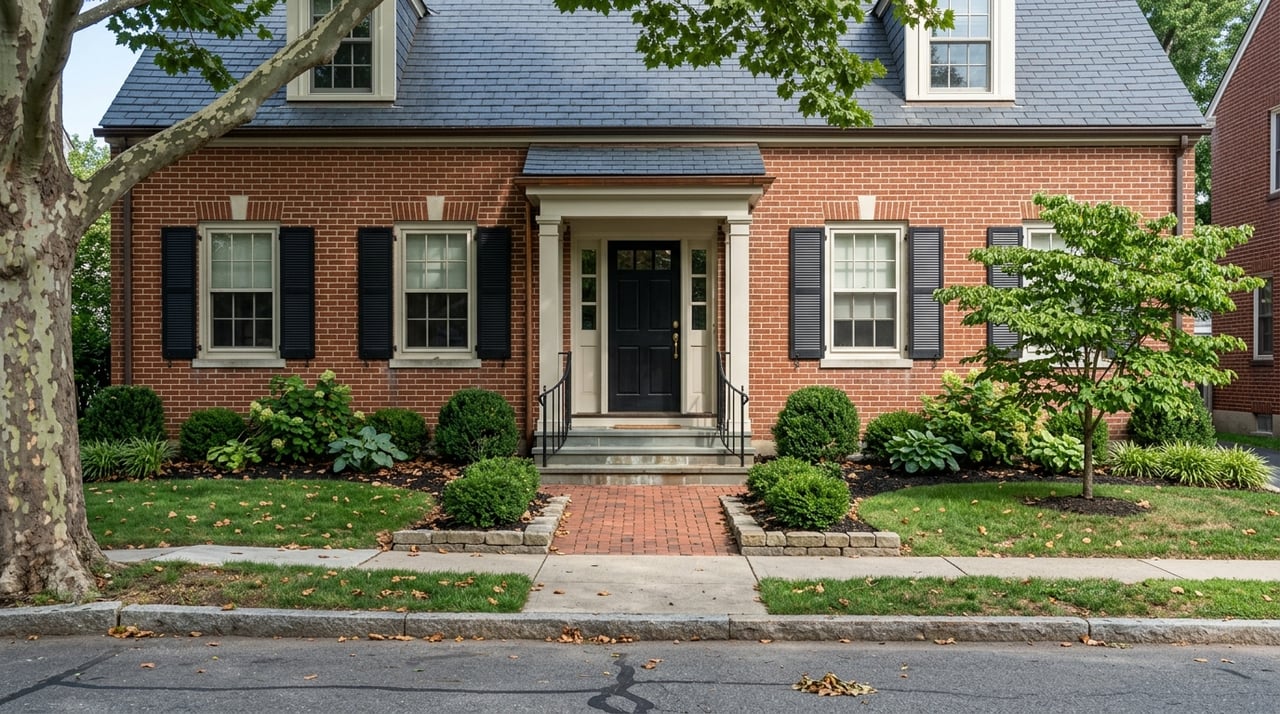
Many of the most memorable homes include turn-of-the-century features like frame construction and generous front porches. These details give the neighborhood a softer, more welcoming look than a purely dense urban grid. The result is a streetscape that feels lived-in and personal.
Some larger pre-suburban estate properties also remain part of the neighborhood fabric. That helps explain why parts of Cleveland Park can feel especially leafy and roomy, even though you are still in the city.
The Streets Feel Different Here
A big part of Cleveland Park’s charm comes from its layout. The streets follow the natural contours of the land instead of a rigid grid. That planning pattern gives the neighborhood a more relaxed and tucked-away feeling.
For you walking or driving through the area, that often translates to a softer experience. The streetscape feels shaped by the landscape, not imposed on it, which adds to the sense of calm people often associate with Cleveland Park.
Connecticut Avenue Creates the Village Feel
If the homes give Cleveland Park its historic identity, Connecticut Avenue gives it its village rhythm. The corridor developed as a planned convenience retail strip, including the Park and Shop, which was designed with shops, parking, a gas station, and an automobile laundry. In other words, convenience was built into the neighborhood from early on.
That history still shows up in how the area functions today. Cleveland Park’s commercial core remains neighborhood-oriented, making it easy to picture a daily routine centered close to home.
Everyday Needs Close By
According to a DC Office of Planning public life study, the Connecticut Avenue corridor includes small businesses and amenities such as a library, post office, farmers market, and grocery store. Those uses help the neighborhood feel practical, not just picturesque. You are not only admiring the surroundings here. You can actually live your day-to-day life within the neighborhood core.
That is a major reason Cleveland Park feels self-contained without feeling isolated. Errands, dining, and civic amenities all sit within a compact area, which supports a walkable lifestyle many buyers look for in Northwest D.C.
A Main Street That Feels Lived In
The same public life study notes that the corridor is active with outdoor dining and restaurant traffic, especially after work. That detail matters because it points to a neighborhood that feels used and enjoyed, not frozen in time. Cleveland Park has history, but it also has motion.
For many buyers, that combination is the sweet spot. You get architectural character and established streets, but also an active commercial spine where people gather for meals, quick stops, and everyday routines.
Green Space Shapes Daily Life
Cleveland Park’s village feel is strengthened by major nearby parkland. Rock Creek Park spans 1,754 acres across Upper Northwest and into Maryland, offering wooded trails, tree cover, and picnic-friendly spaces. Both the Cleveland Park and Woodley Park Metro stops are convenient starting points for reaching the park.
That access helps explain why the neighborhood feels so green. Even though you are in Washington, D.C., the connection to large-scale open space is part of the everyday experience.
Rock Creek Park Nearby
For residents, Rock Creek Park can function as more than a weekend destination. Its scale and accessibility make it part of the broader neighborhood lifestyle. Whether you enjoy walking trails or simply value the visual effect of mature tree cover nearby, the park adds another layer to Cleveland Park’s appeal.
This is one reason the neighborhood often feels calmer than more central parts of the city. The combination of historic homes and major green space creates a setting that feels grounded and breathable.
The National Zoo as a Local Landmark
The Smithsonian notes that the National Zoo’s main pedestrian entrance is on Connecticut Avenue, about halfway between the Woodley Park-Zoo/Adams Morgan and Cleveland Park stations. That puts one of the city’s best-known landmarks right within the broader neighborhood experience. It feels nearby and integrated rather than separate.
For you, that means Cleveland Park offers more than a residential backdrop. It is tied into a wider Northwest D.C. experience shaped by parks, public spaces, and recognizable civic destinations.
What Buyers and Sellers Should Notice
If you are buying in Cleveland Park, the neighborhood offers a combination that can be hard to replicate. You get a broad mix of historic housing types, a walkable commercial corridor, and nearby green space, all within a setting that feels established and distinct. That can make the area appealing for buyers who care as much about daily lifestyle as square footage.
If you are selling, Cleveland Park’s story is especially important. A home here is not only about the property itself. It is also about porch-fronted streets, architectural character, convenience along Connecticut Avenue, and easy access to Rock Creek Park. Presenting that full neighborhood picture can help buyers understand the value of the location.
Why the Village Feel Lasts
Some neighborhoods are described as charming, but Cleveland Park has the structure to support that reputation. Its historic homes, landscape-shaped streets, neighborhood retail, and nearby parkland all work together. The result is a place that feels both practical and memorable.
That is what gives Cleveland Park its staying power. It is not trying to feel like a village. It was shaped over time in a way that still supports that experience today.
If you are thinking about buying or selling in Northwest D.C., Cleveland Park is the kind of neighborhood where details matter. From architecture to walkability, understanding the full lifestyle story can help you make a smarter move. If you want a thoughtful local perspective, connect with Emily Sower for a complimentary home valuation or neighborhood guide.
FAQs
What makes Cleveland Park feel like a village in Washington, D.C.?
- Cleveland Park’s village feel comes from its compact Connecticut Avenue corridor, where small businesses, dining, a library, post office, farmers market, and grocery store are clustered near residential blocks.
What types of historic homes are found in Cleveland Park?
- Cleveland Park includes a mix of single-family homes, duplexes, apartment buildings, and estate-scale properties, with many buildings reflecting architectural styles popular from about 1890 to 1930.
Why do Cleveland Park streets feel different from other D.C. neighborhoods?
- The streets follow the natural contours of the land instead of a rigid grid, which gives the neighborhood a more relaxed and tucked-away character.
Is Cleveland Park close to parks and outdoor space?
- Yes. Rock Creek Park is nearby, with 1,754 acres of parkland and trails, and both the Cleveland Park and Woodley Park Metro stops offer convenient access points.
What is Connecticut Avenue like in Cleveland Park?
- Connecticut Avenue functions as the neighborhood’s main commercial spine, with small businesses, restaurants, outdoor dining, and everyday amenities that support a walkable lifestyle.
Why is Cleveland Park appealing to homebuyers?
- Many buyers are drawn to Cleveland Park for its mix of historic architecture, tree cover, practical daily amenities, and access to both neighborhood retail and major green space.