Thinking about moving up to a single-family home in McLean? You’re not alone. Many buyers choose McLean for its larger lots, quick access to Tysons and DC, and a wide range of traditional and modern homes. In this guide, you’ll get a clear view of prices, neighborhoods, commutes, inspections, financing, and timelines so you can plan with confidence. Let’s dive in.
McLean single-family market at a glance
McLean is a high-cost suburban market. Recent data shows median single-family home sale prices around 2.1 million, while median list prices often land closer to 3.0 million. The difference reflects sold data versus active listings and how portals define “McLean.” Days on market recently sit around a month for many properties, though timing varies by neighborhood and price tier.
Expect a wide price spectrum. Smaller single-family homes and renovated ranch or split-level properties can start near the high 800s to low 1 million range depending on location. Estate properties and custom new builds regularly sell for several million.
When you set your search, focus on what you need first. Think in terms of lot size, location within McLean, and commute targets. Then refine price bands using the 22101 and 22102 ZIP codes to keep comps apples to apples.
Neighborhoods and lot sizes
Estate areas and scarce acreage
If a large yard is your top priority, look to pockets known for estate living near Turkey Run and toward Great Falls. Areas such as Langley Farms, Ballantrae, and Chesterbrook Woods include larger lots and custom homes. True one-acre plus parcels are limited and command premiums.
Close-in family neighborhoods
Closer to Tysons and central McLean, you’ll find Chesterbrook, Spring Hill, and parts of North-Central McLean. Many single-family lots here range from about 0.25 to 0.8 acres. These areas appeal to buyers who want yard space and neighborhood feel without giving up convenient access to employment centers.
Architecture and rebuild choices
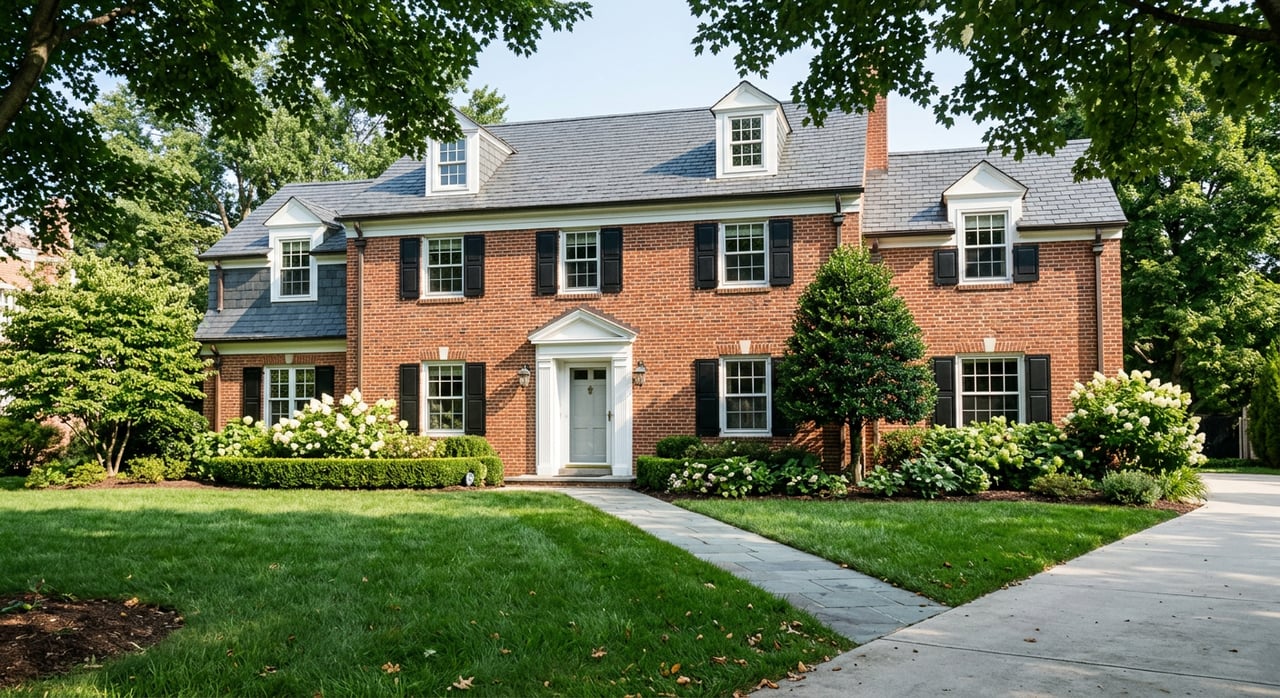
McLean offers a mix of older colonials and Tudors, mid-century ranch and split-level homes, and ongoing teardown-to-new-build activity that adds modern or contemporary styles. If you’re considering an older home, plan for system updates or renovation. If you prefer new construction, factor in the time and cost for design, permitting, and build. Always verify official lot area using the parcel record and the listing’s lot-size field rather than relying on marketing copy.
Zoning and what you can do
Your plans for additions, accessory units, or a future rebuild depend on Fairfax County zoning rules. The county’s modernized zoning ordinance known as zMOD has seen procedural challenges in recent years. Review the county’s overview of zMOD adoption and consult planning staff or an attorney for parcel-specific guidance. For legal background on the court ruling that affected the ordinance, see this summary of the Virginia Supreme Court decision. County rules evolve, so confirm details before you buy. Learn more from the county’s overview of zMOD and its adoption timeline, and see a legal analysis of the court decision for context.
- County overview: Modernized Zoning Ordinance (zMOD)
- Legal context: Virginia Supreme Court ruling on Fairfax zMOD
Commute and daily life
Drives and typical times
McLean sits just outside DC and next to Tysons, with common drive times to downtown DC ranging from roughly 20 to 40 minutes depending on traffic and exact starting point. Key routes include I-495, Route 123, the George Washington Memorial Parkway, and I-66. As a county baseline, mean travel times fall in the high 20s to low 30s minutes, but your commute depends on where you live and where you work. You can review Fairfax County commute data on the Census QuickFacts page.
- County stats: Census QuickFacts for Fairfax County
Metro and buses
If you prefer transit, the Silver Line’s McLean station connects you to Tysons, Reston, and transfers into the broader Metro system. Multiple Fairfax Connector and Metrobus routes serve the area, making Park-and-Ride or bus-to-rail options practical. Explore station details and connections on the WMATA page for McLean. Recent improvements near the station, including a new entrance and nearby amenities, continue to enhance connectivity.
- Station info: WMATA - McLean Station
- Local update: New McLean Station entrance and area changes
Parks and play
Proximity to outdoor space is a big draw. Families often prioritize access to Clemyjontri Park, Great Falls Park, and local trails. If weekend hiking, playgrounds, and picnics are part of your routine, note drive times to these amenities when you evaluate neighborhoods.
Financing steps for McLean buyers
Get fully pre-approved
In a market where many homes exceed conforming loan limits, a full pre-approval can set you apart. It typically includes income and asset verification and a desktop underwriting review. A stronger letter helps you write competitive offers and avoid surprises.
Jumbo loan basics
The 2026 baseline conforming loan limit for a one-unit property is 832,750. Many McLean purchases will require a jumbo, or non-conforming, loan at mid to upper price points. Jumbo loans often involve different underwriting standards, such as higher credit score targets, larger down payments, and cash-reserve requirements. Rates can also differ from conforming products. Review limits and talk with your lender about how jumbos work before you start touring.
Appraisals and timing
Appraisals can be sensitive in neighborhoods with unique lots or limited comparable sales. If you’re pursuing a teardown, land value and replacement cost assumptions can affect valuation. Build in time for the appraisal process and discuss an appraisal contingency strategy with your agent and lender.
Inspections and due diligence
What a general inspection covers
A standard whole-house inspection reviews structure and foundation, roof and attic, major systems like HVAC and water heater, electrical and visible plumbing, windows and doors, and exterior drainage. Expect 2 to 4 hours on-site for a typical single-family home, with fees often in the 300 to 600 range depending on size and scope. For more detail on what inspectors look for, see the National Association of Realtors field guide.
- Guidance: NAR - Home inspection field guide
Specialty tests to consider
In Northern Virginia, buyers often add a sewer-scope for older lateral lines, chimney and roof specialists for aging components, HVAC contractors for multi-system homes, a termite-pest inspection, radon testing, and lead-based paint considerations for pre-1978 homes. Budget an additional 300 to 1,500 for specialty inspections as recommended by your general inspector.
Negotiate repairs or credits
Use your inspection report to prioritize safety and big-ticket items over cosmetics. When you request repairs or a credit, include contractor estimates for major issues like roof replacement, structural concerns, or sewer line work. Your contingency window will spell out deadlines, so track dates closely.
Timeline and offer game plan
Typical contract to close
For financed purchases, plan on roughly 30 to 45 days from ratified contract to closing. Cash deals can be faster. If you negotiate repairs, allow time for contractor scheduling and re-inspections before the final walkthrough.
Smart terms in a fast market
Talk through the right mix of contingencies based on the property and your comfort level. Common focus areas include inspection length, appraisal contingency strategy, financing timelines, and a settlement date that aligns with the seller’s needs. Clear communication and a strong pre-approval help position your offer well.
Step-by-step checklist
Before touring
- Define your non-negotiables: target lot size, desired school pyramid, commute time range, and minimum bedrooms-baths.
- Get a full mortgage pre-approval. If your target price exceeds conforming limits, expect to use a jumbo loan and plan your down payment and reserves accordingly. Review the 2026 loan limits and talk to your lender about next steps using the Fannie Mae letter linked above.
If schools are important to your decision, confirm the current and adopted boundary information for specific addresses using Fairfax County Public Schools resources. Boundary adjustments have occurred in the McLean-Langley area.
- Check boundaries: FCPS boundary updates for McLean-Langley
During touring and bidding
- Evaluate the lot as carefully as the house. Scarce one-acre plus parcels drive value and future flexibility.
- Ask for seller disclosures early, including any permits for renovations.
- If you plan additions or an accessory dwelling, consult Fairfax County planning staff or a land-use attorney to confirm what zoning allows on that parcel.
After contract
- Order a general inspection and any specialty tests your inspector recommends. Budget for additional costs if the home is larger or has multiple systems.
- Use the inspection to negotiate repairs or a credit, with written estimates for major items.
- Track appraisal and lender milestones closely, especially for higher-price properties where comparable sales are limited.
Cost preview beyond the purchase price
Property taxes are a key monthly cost to estimate. Fairfax County publishes its real estate tax rate each year. For 2026, example rates have been cited around 1.1225 per 100 of assessed value, plus any applicable service or district charges. Always use the property’s assessed value and the county’s current rate table for an accurate estimate.
- Current rates: Fairfax County real estate tax rates
Other recurring costs can include homeowner’s insurance, utilities, yard care, and routine maintenance. For older homes, set aside a reserve for system upgrades over time.
Ready to explore McLean?
When you want tailored guidance on neighborhoods, lot potential, commuting, and offer strategy, reach out to Emily Sower. You’ll get organized, design-minded advice and a calm process from search to keys.
FAQs
Do I need a jumbo loan to buy in McLean?
- Often yes at mid to upper price points, because many single-family homes exceed the 2026 conforming limit of 832,750. Compare your target price with current limits and talk to your lender.
How big are typical McLean yards?
- Many lots in close-in areas range from about 0.25 to 0.8 acres. True one-acre plus parcels are limited and usually sell at a premium. Verify lot size using the parcel record and listing details.
Are there reliable commute options besides driving in McLean?
- Yes. The Silver Line’s McLean station and Fairfax Connector buses provide transit alternatives. Many residents still drive, and commute times vary by time of day and route.
What inspections are most important for McLean homes?
- A general home inspection is standard. Many buyers also add sewer-scope, termite-pest, HVAC or roof specialists, and radon or lead testing depending on the home’s age and condition.
How do I estimate Fairfax County property taxes on a McLean home?
- Use the property’s assessed value and Fairfax County’s current real estate tax rate table. Example 2026 rates are around 1.1225 per 100 of assessed value, plus any applicable district charges.