If you want a home where coffee, dinner, errands, and Metro access can all fit into your daily routine without constant driving, Bethesda deserves a close look. For many buyers, the appeal is not just location. It is the chance to live in a place that feels connected, convenient, and still distinctly suburban. In Bethesda, condos and townhomes offer two different paths into that lifestyle, depending on how close you want to be to the action and how much privacy you want at home. Let’s dive in.
Why Bethesda works for walkable living
Bethesda stands out because its downtown core is compact and easy to navigate. According to Bethesda Urban Partnership, downtown Bethesda covers about 300 acres and can be crossed in roughly 20 minutes, which helps make a car-optional routine feel realistic for many residents.
That walkability is supported by more than just sidewalks. The area is anchored by Bethesda Metro, the free Bethesda Circulator, and a dense mix of restaurants, shops, services, and events. Montgomery County also describes Bethesda as a busy workday center that shifts into an entertainment, arts, and dining destination in the evenings and on weekends.
The result is a lifestyle that blends suburban comfort with urban habits. You can live in a full-service condo building, walk to dinner, pick up groceries or essentials nearby, and still feel like you are in a greener, less intense setting than a major city core.
Where walkability feels strongest
Bethesda Row and nearby blocks
If your goal is to step outside and immediately feel plugged into daily life, Bethesda Row is one of the clearest examples in the area. The EPA describes it as a mixed-use, walkable district with brick sidewalks, plazas, trees, outdoor café seating, and residences integrated with retail and office space.
This is the kind of environment that appeals to buyers who want a true live-near-everything setup. It is close to downtown, designed for pedestrians, and surrounded by the restaurants, boutiques, and service businesses that make daily life easier.
Woodmont Triangle
Woodmont Triangle offers a slightly different version of walkable Bethesda. Montgomery County describes it as an eclectic mixed-use district that combines high-rise residential development with small-scale retail and arts amenities.
It also has a distinct rhythm throughout the day. The area functions as an office and retail center during the daytime, then shifts into a restaurant-focused destination in the evenings and on weekends. That energy makes it especially appealing if you want dining and activity close by.
Norfolk Avenue in Woodmont Triangle is also being studied as a shared street, which further supports the pedestrian focus of the district. For buyers thinking about long-term lifestyle, that kind of planning matters.
Where Bethesda gets quieter
Battery Lane and the residential edge
Not every walkable Bethesda address sits in the middle of the busiest blocks. The Battery Lane District acts more like a transition zone, with garden and mid-rise apartments, planted setbacks, and connections to Battery Lane Park and the North Bethesda Trail.
This part of Bethesda can feel calmer and more residential while still keeping downtown within reach. If you like the idea of walkability but want your front door to open onto a quieter street, this type of setting may be worth exploring.
South Bethesda townhome pockets
For buyers who want more separation from the retail core, South Bethesda is especially notable. Montgomery County describes it as a residential district with a garden character and tree-lined streetscapes, including about 170 townhouses along Bradley Boulevard, Offutt Lane, Hillandale Road, and Chevy Chase Drive.
This is one of the clearest places to think about townhome living in a walkable Bethesda context. You may not be directly above the shops and restaurants, but you can still enjoy convenient access to downtown amenities while coming home to a more residential streetscape.
Condos vs. townhomes in Bethesda
Bethesda does not offer just one kind of walkable housing. The choice often comes down to how you want your day-to-day life to feel.
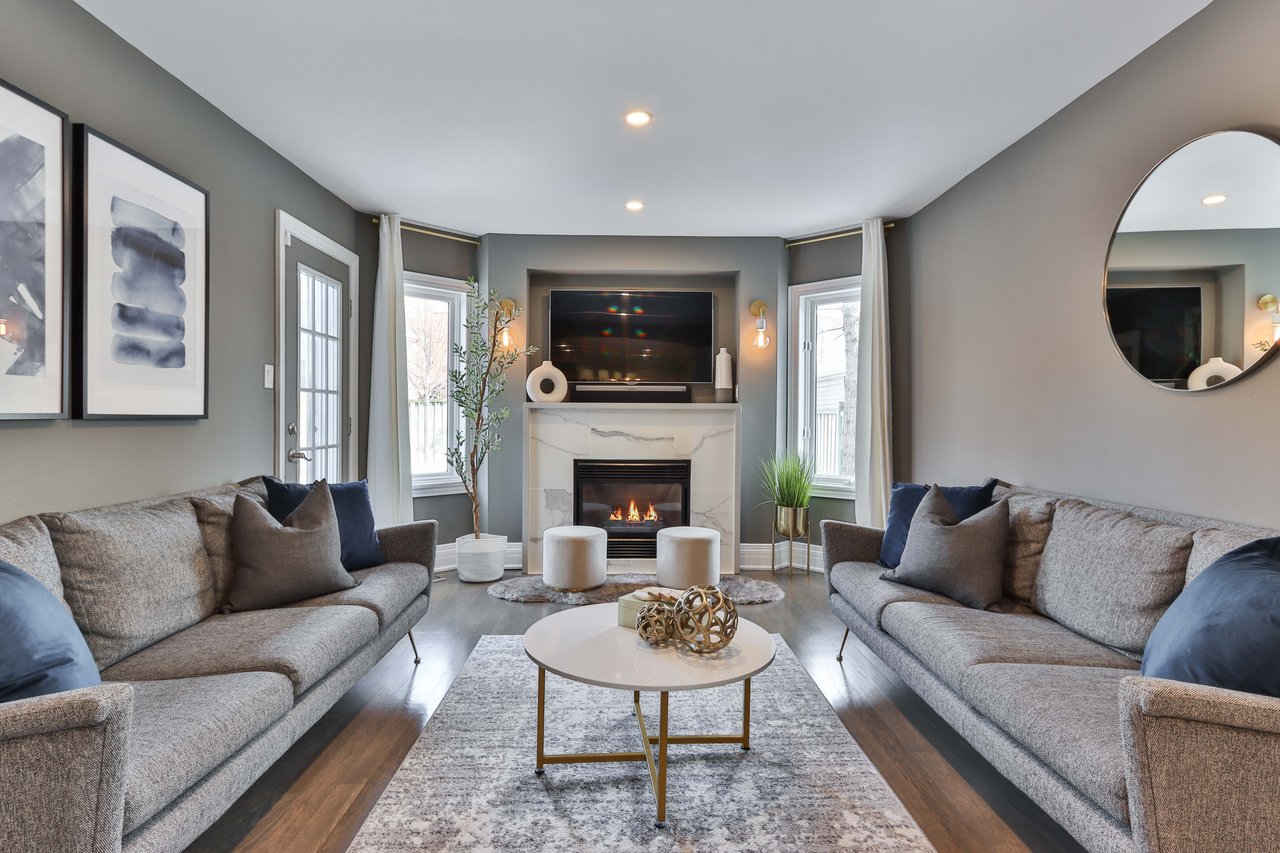
What condo living offers
Downtown Bethesda's housing mix leans heavily toward low-maintenance condo and apartment living. Bethesda Urban Partnership highlights condominium buildings such as The Adagio, The Chase at Bethesda, and Cheval Bethesda, alongside apartment communities like 4909 Auburn and 8001 Woodmont.
For many buyers, that points to a practical advantage. Condo living in the core can mean less exterior maintenance, easier access to transit, and a shorter walk to restaurants, retail, and local events. If convenience is your top priority, this option is often the most direct fit.
What townhome living offers
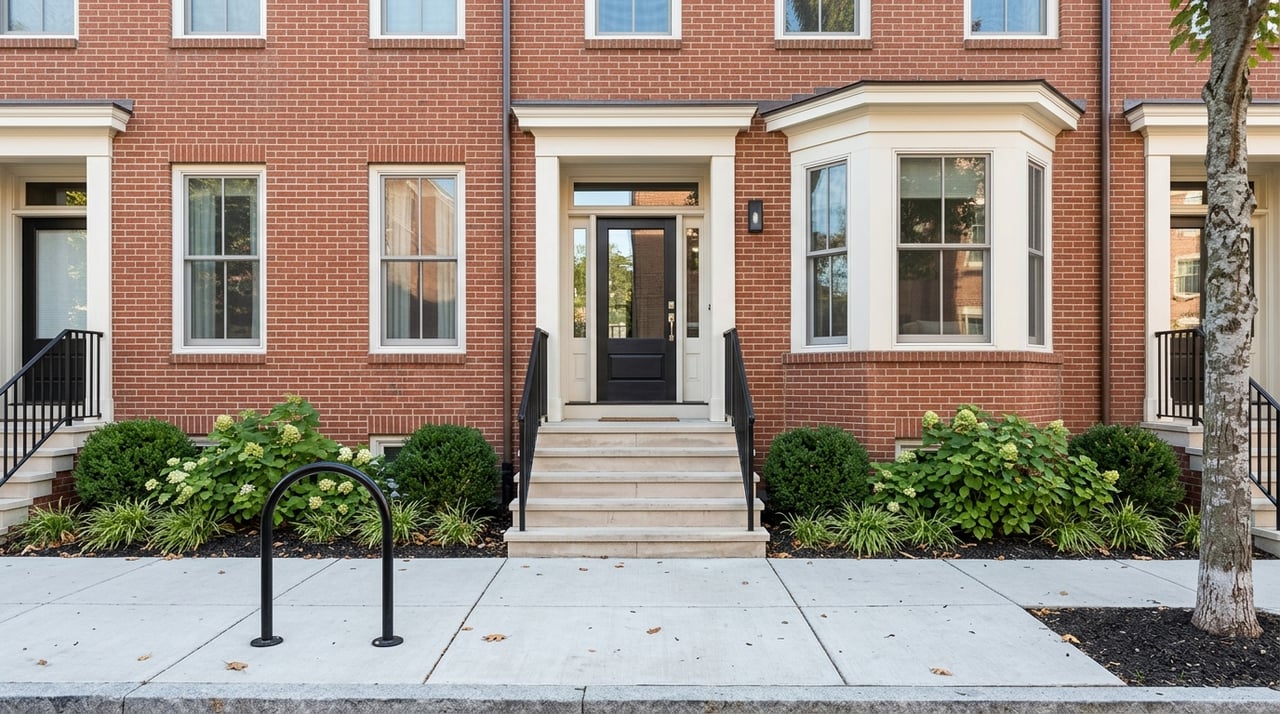
Townhome living in Bethesda tends to feel more private and residential. Based on the district structure outlined in the downtown plan, townhomes are more common in edge areas such as South Bethesda rather than the most active mixed-use core.
That can create a different rhythm for your day. You may trade immediate elevator-to-sidewalk convenience for a quieter street profile and a little more separation from the busiest commercial blocks, while still remaining close to the same downtown destinations.
Transit and getting around
A walkable lifestyle works best when it is supported by reliable transportation options. Bethesda has several layers of that support.
Metro and local transit
Bethesda station sits on WMATA's Red Line, which gives residents direct rail access through the region. WMATA is also building a new mezzanine connection to the future Purple Line Bethesda Station, with Purple Line service currently targeted for late 2027.
Within downtown, the free Bethesda Circulator adds another useful option. It runs Monday through Friday from 7 a.m. to 11 p.m. and Saturday from 10 a.m. to 11 p.m., arriving every 10 to 15 minutes and connecting the Metro station, parking garages, restaurants, theaters, shops, and 20 stops across downtown.
Bethesda is also served by Metrobus, Metrorail, and Montgomery County Ride-On buses, with more than a dozen routes starting, ending, or passing through downtown. For buyers who want flexibility, that transit mix helps support a car-optional routine.
Bikes, trails, and current trail access
Capital Bikeshare stations in downtown include Bethesda Metro, Bethesda Avenue and Arlington Road, Woodmont Avenue and Strathmore Street, and Battery Lane and the Trolley Trail. That gives another layer of mobility for shorter trips.
The Capital Crescent Trail is also a major local amenity, stretching 11 miles from Georgetown to Silver Spring and serving walkers, joggers, cyclists, and rollerbladers. It is worth noting that the Bethesda-to-Silver Spring portion is still affected by Purple Line construction, with completion targeted for late spring to summer 2026 and reopening planned when safe and feasible.
What daily life looks like here
Walkability matters most when it improves your routine, not just your map search. Bethesda makes a strong case on that front.
Downtown Bethesda has nearly 200 restaurants, 75 home fashion retailers, unique boutiques, day spas, salons, three live theaters, and nearly 700 retailers and businesses. For you as a buyer, that means many errands and leisure activities can stay close to home.
The area also supports weekly habits and local rituals. Bethesda Central Farm Market takes place Sundays from 9 a.m. to 1 p.m. at the Bethesda Elementary School parking lot, while the Montgomery Farm Women's Cooperative Market operates at 7155 Wisconsin Avenue on multiple days each week.
Events also add to the neighborhood feel. Bethesda Urban Partnership highlights the Summer Concert Series, Taste of Bethesda in Woodmont Triangle, the Bethesda Fine Arts Festival, outdoor movies, Bethesda Art Walk, and public art as regular parts of downtown life.
Just as important, planning for downtown Bethesda includes parks, neighborhood greens, and trail connections. That helps explain why the area can feel active and compact without losing its green-space identity.
Who should consider a Bethesda condo
A Bethesda condo may be a strong fit if you want to simplify your routine and stay close to the center of things. Buyers who value turnkey living, easy access to Metro, nearby dining, and a lower-maintenance setup often find the downtown core especially appealing.
This can also be a smart option if you are downsizing but do not want to give up energy or convenience. In Bethesda, condo living often means trading yard work for walkable amenities and a more connected daily rhythm.
Who should consider a Bethesda townhome
A Bethesda townhome may be worth a closer look if you want a more residential feel while keeping downtown access within reach. Buyers who want more separation from the busiest blocks often prefer the quieter edge districts and established townhome pockets.
That balance can be especially appealing if you want walkability to be part of your lifestyle, but not the entire experience. In other words, you can enjoy Bethesda's restaurants, transit, and events without living in the middle of the most active commercial streets.
The bottom line on walkable living
Bethesda's biggest strength is not that it feels purely urban. It is that it gives you a compact, amenity-rich downtown inside a broader suburban setting. That mix creates real options.
If you want low-maintenance living and immediate access to shops, restaurants, and transit, a condo near Bethesda Row, Woodmont Triangle, or the Metro core may be the right match. If you want a quieter street and a bit more separation, a townhome in South Bethesda or another residential edge area may offer the better fit.
The key is matching the home to the lifestyle you want now and in the next few years. If you are weighing that decision in Bethesda, working with someone who understands both the map and the feel of each pocket can make the search much clearer.
If you are thinking about buying or selling in Bethesda and want guidance tailored to your lifestyle, Emily Sower can help you compare neighborhoods, housing types, and next steps with a calm, thoughtful approach.
FAQs
What part of Bethesda is most walkable for condo living?
- The strongest walkable core is around Bethesda Metro, Bethesda Row, and Woodmont Triangle, where housing, restaurants, shops, and transit sit close together.
Are there townhomes in walkable parts of Bethesda?
- Yes. South Bethesda is the clearest townhome pocket identified in Montgomery County planning documents, and it offers a more residential setting with access to downtown amenities.
Is Bethesda a good place for car-optional living?
- Bethesda can support a car-optional lifestyle for many residents because of the Red Line Metro station, the free Bethesda Circulator, bus service, bikeshare stations, and the compact downtown layout.
What is the difference between Bethesda condos and townhomes?
- In general, condos in downtown Bethesda offer lower-maintenance living closer to the busiest mixed-use core, while townhomes tend to offer a quieter, more residential setting along the edges of downtown.
Is the Capital Crescent Trail fully open in Bethesda?
- Not بالكامل. The Bethesda-to-Silver Spring segment remains affected by Purple Line construction, with completion targeted for late spring to summer 2026 and reopening planned when safe and feasible.
What amenities support walkable living in downtown Bethesda?
- Downtown Bethesda includes nearly 200 restaurants, dozens of retailers, theaters, farmers markets, local events, parks, and transit connections that help keep daily errands and leisure activities close to home.